A tooth abscess is a pocket of pus caused by a bacterial infection in or around a tooth. It starts small — a cavity, a hairline crack, an inflamed gum pocket — and grows quietly until the pressure inside the tooth has nowhere to go. That is the point most patients call us: the pain has stopped responding to over-the-counter medication and the side of the face has started to swell.
The important thing to understand is that a dental infection does not resolve on its own. Even when the pain fades for a few days — which happens when the nerve inside the tooth finally dies — the bacteria are still there and still spreading. Knowing which symptoms mean "book an appointment" and which mean "go now" is what keeps a treatable tooth from becoming a hospital stay.
Most tooth infections announce themselves the same way. Watch for:
One caution: if a badly aching tooth suddenly goes numb and quiet, that is not recovery. It usually means the pulp has died, and the infection is now free to travel into the bone at the root tip.
Bacteria need a way into the inner part of the tooth. Almost every infection we treat traces back to one of these:
Some people are simply at higher risk: patients with diabetes or a weakened immune system, smokers, those with dry mouth from medication, and anyone who has gone a long stretch without a checkup. Infections in these groups tend to spread faster and deserve a lower threshold for urgent care.
A tooth infection can escalate from uncomfortable to dangerous within hours, because the spaces around the jaw connect to the neck and airway. Seek emergency dental or medical care immediately if you have any of the following:
Trouble breathing or swallowing is a hospital-level emergency. Everything else on that list belongs in an emergency dental chair the same day. Our team keeps time open for urgent infections — call (419) 792-1264 and describe your symptoms so we can triage you correctly over the phone.
Treatment has one goal: remove the source of the infection, not just quiet the symptoms. Depending on what the exam and X-ray show, that means:
This is the part patients most often get wrong: a course of antibiotics from an urgent care clinic will usually calm things down for a week or two, but the abscess comes back, often worse, because the dead nerve tissue feeding it is still inside the tooth. For a closer look at the procedure itself, read our guide to abscessed tooth treatment.
While you wait to be seen, you can take the edge off safely:
Do not place aspirin directly on the gum, do not try to lance or squeeze the swelling yourself, and do not apply heat to a swollen face. If your symptoms are more soreness than infection, our natural toothache remedies may help you get through the night — but they are a bridge to treatment, not a cure.
Nearly every abscess we treat was preventable. Brushing twice daily with fluoride toothpaste and flossing once a day keeps decay and gum disease from starting; routine exams and cleanings every six months catch the small cavity or cracked filling while it's still a filling-sized problem. If you're overdue, that visit is far cheaper and far less painful than the emergency it prevents.
Think you have a tooth infection? Don't wait it out. Call (419) 792-1264 to be seen at our tooth infection treatment practice in Perrysburg, OH — or go to the nearest emergency room if you have trouble breathing or swallowing. For more on this topic, see the American Dental Association.
A steady deep or throbbing toothache, sensitivity to hot and cold, pain on biting, swelling of the gum or face, a bad taste from draining pus, tender lymph nodes, and sometimes fever. Pain that suddenly stops doesn't mean it healed — it often means the nerve has died.
Most start with untreated tooth decay reaching the nerve. Gum disease, a cracked tooth, a leaking old filling or crown, an impacted wisdom tooth, or past trauma to a tooth can all let bacteria into the pulp and form an abscess.
An abscess is a pocket of pus at the root of a tooth or in the gum. It often shows as a red, swollen area — sometimes with a pimple-like bump on the gum that drains — along with severe pain, a foul taste, and occasionally fever. Any swelling that keeps growing needs same-day care.
Go immediately if you have a fever over 100.4°F with dental pain, facial or neck swelling that's increasing, trouble swallowing, drooling, a voice change, inability to open your mouth, or pain that nothing controls. Any difficulty breathing is a 911 emergency — go to the ER, not a dental office.
No. Antibiotics can slow the spread and are important if the infection has moved beyond the tooth, but the source has to be removed by draining the abscess and performing a root canal or extraction. Without that, the abscess typically returns.
Rinse with warm salt water, use over-the-counter pain relief as directed, apply a cold compress to the outside of the cheek, and sleep with your head elevated. Don't put aspirin on the gum, don't apply heat to a swollen face, and don't try to drain it yourself.
Tell us a little about what you need — we'll be in touch shortly.
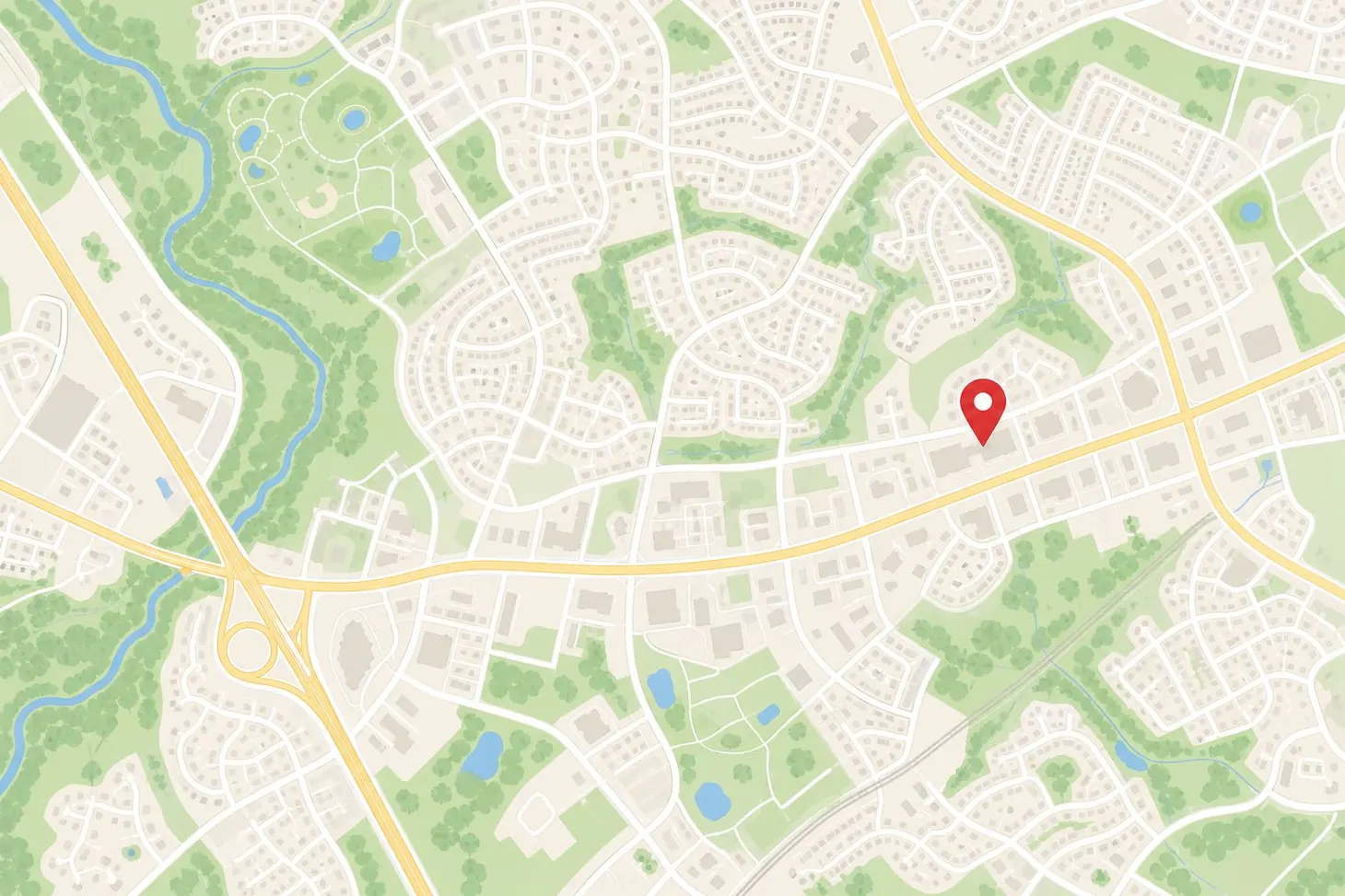
110 E South Boundary St, Perrysburg, OH 43551, United States
Hi! I'm Tooth fairy! Your AI Assistant Ask me anything