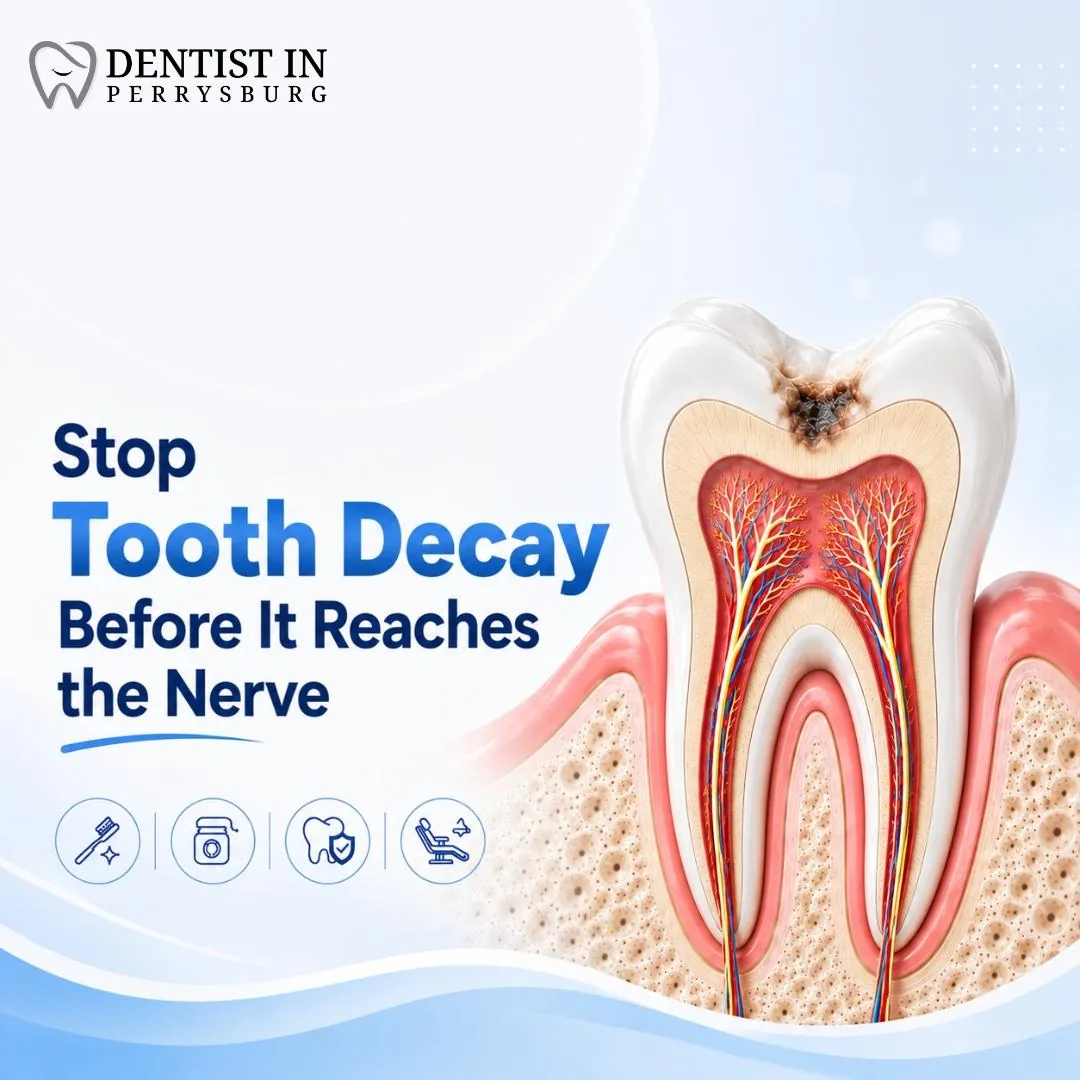
Many people notice a small cavity or feel sudden sensitivity when they eat. They fear a root canal or an abscess. Tooth Decay can start small and grow fast. People want simple steps to stop pain and protect dental health.
Fluoride treatments can stop tooth decay in its early stage before it reaches the root. Here you will know about brushing with fluoride toothpaste, dental visits, dental sealants, and when to get a filling or other treatment. You will also know how plaque and enamel damage lead to dentin and nerve issues.
Tooth decay starts with subtle signs. People may notice tooth sensitivity, especially when consuming hot or cold foods and drinks. This sensitivity often indicates that enamel has weakened due to plaque buildup.
Plaque hosts harmful bacteria that produce acids, which erode the tooth enamel over time. Without intervention, this decay progresses deeper into the dentin layer.
Ignoring these early symptoms can lead to severe consequences. Once decay reaches the nerve, it can cause an infection known as an abscess; such infections may spread throughout the body and pose serious health risks.
Early recognition of these warning signs is crucial for preserving dental health and preventing extensive treatment like root canals. Fluoride treatments and good oral hygiene can halt this process before it becomes critical.
Preventing tooth decay requires a proactive approach. Fluoride treatments effectively stop early-stage decay before it advances to the root. This mineral protects teeth and can even reverse initial damage.
Regular brushing with fluoride toothpaste after meals strengthens enamel and fights cavities. Daily oral hygiene is essential for overall dental health.
Regular dental visits help catch problems early. Dentists can apply dental sealants as a protective barrier against plaque buildup and cavities. Small issues, when treated promptly, often only need conservative measures like fillings to avoid spreading towards the nerve.
Paying close attention to signs of sensitivity or discomfort ensures timely treatment and prevents serious conditions like an abscess from developing.
Tooth decay can progress quickly. Once it reaches the nerve, infection may occur, leading to an abscess that can spread throughout the body. Regular dental visits play a crucial role in catching issues before they worsen. Patients should seek care as soon as they notice sensitivity or small signs of tooth decay, like discoloration or pain.
Small cavities often require conservative treatment with a dental filling. This approach helps prevent further damage and avoids complications involving the tooth's nerve. Early intervention offers the best chance for preserving enamel and maintaining overall oral health.
Plaque builds on teeth and holds bacteria. The bacteria make acid that wears tooth enamel. This damage starts to decay and leads to cavities. If decay gets past the tooth enamel and inner tooth layer, it can reach the nerve.
Brush and floss daily to cut plaque. Use fluoride toothpaste for decay prevention and tooth enamel strength. See your dentist for regular dental visits and quick treatment. Treat small spots now to avoid a root canal later.
Yes. Fluoride helps rebuild and harden tooth enamel. It slows tooth decay and lowers the risk of cavities. Dentists use fluoride as part of preventive care and treatment for early decay.
You may need a root canal when decay reaches the nerve. You will feel strong pain or lasting sensitivity. A dentist will pick the right treatment to save the tooth and do a restoration.
Visit the dentist for checks and cleanings as advised, often every six months. Dentists remove plaque, check for gum disease, and spot decay early. Regular dental visits keep oral health and dental health steady.
Dentists remove decay and place a restoration. They may give fluoride or a sealant to help tooth enamel. Treating early stops cavitation, or a hole, and protects the inner tooth layer. Good oral hygiene and timely dental visits help prevent more treatment.
Tell us a little about what you need — we'll be in touch shortly.
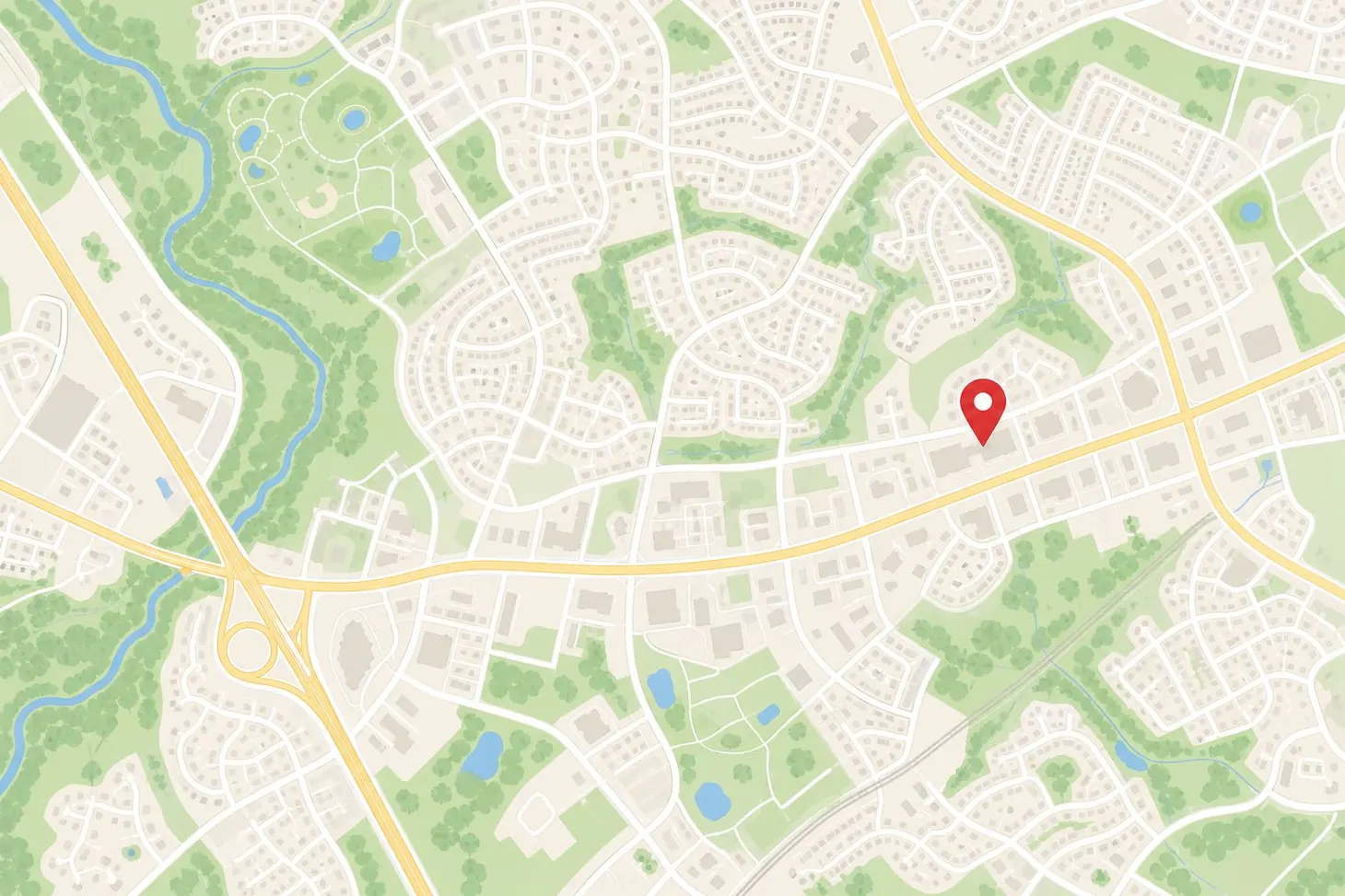
110 E South Boundary St, Perrysburg, OH 43551, United States
Hi! I'm Tooth fairy! Your AI Assistant Ask me anything