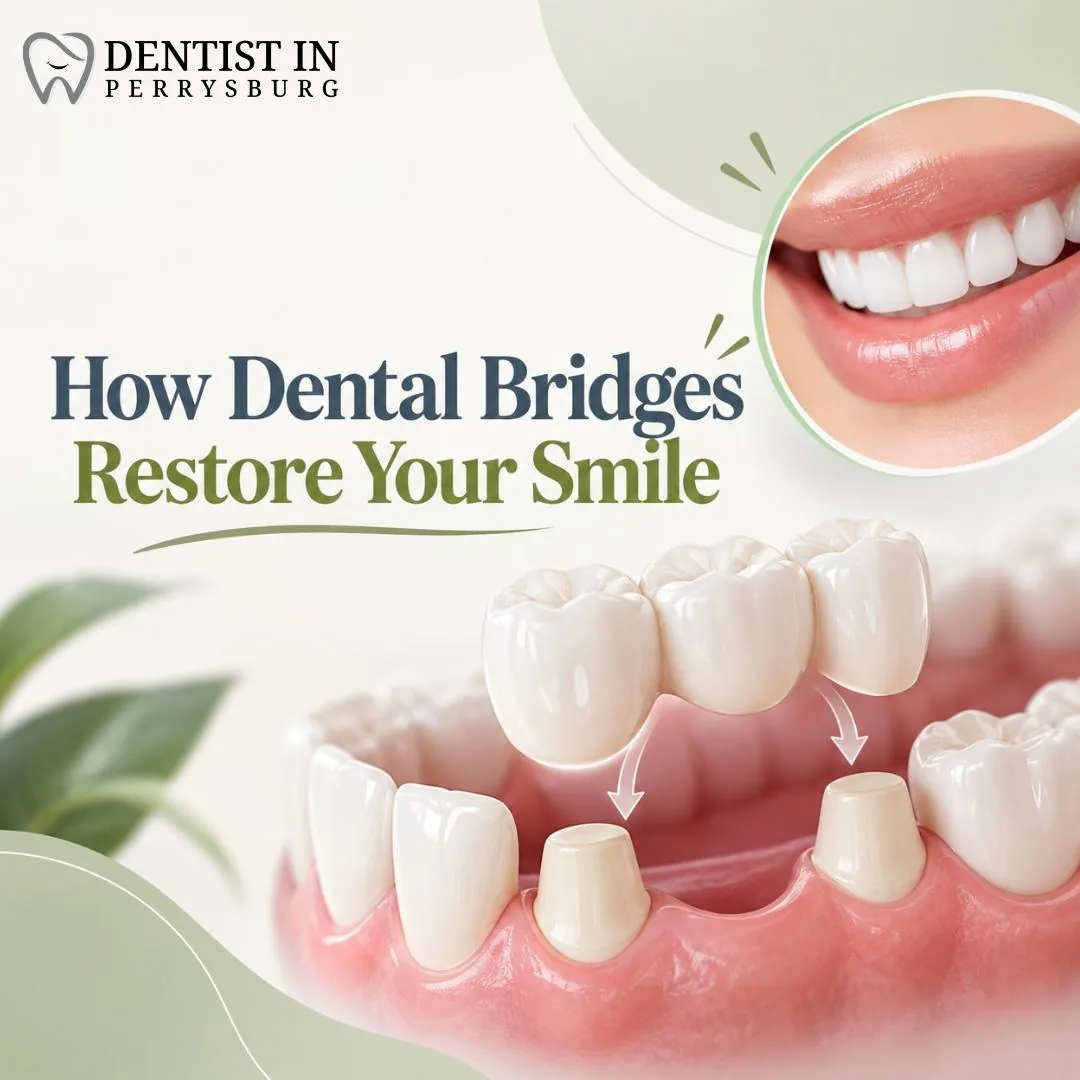
Missing teeth can make daily life hard. Patients may struggle with chewing, clear speech, or smiling in photos. Dental Bridges offer a fixed prosthetic tooth replacement that fills those gaps. They restore chewing function and improve aesthetics while helping oral health by keeping adjacent teeth from shifting.
Dental bridges significantly improve both function and appearance. They fill gaps left by missing teeth, restoring a natural smile that boosts confidence.
Dental bridges replace missing teeth and restore the smile's natural appearance. They fill the gaps left by tooth loss, enhancing the overall look of a person's face. A dental bridge features a lifelike "pontic" that connects to neighboring teeth or implants. This fixed solution allows for greater stability compared to removable options like partial dentures.
With bridges in place, individuals can chew food effectively and speak clearly. The presence of these prosthetics keeps remaining teeth from shifting into empty spaces. As a result, bridges not only improve aesthetics but also boost oral health significantly. Patients regain their confidence and can smile genuinely again after fitting their dental bridges.
Missing teeth can cause various problems, including difficulty chewing and speaking. Dental bridges restore these functions effectively. They fill the gaps left by missing teeth, allowing individuals to eat properly again. This fixed solution contributes to better bite alignment too. With improved alignment, patients often notice a reduction in discomfort during meals.
Speech clarity also benefits from dental bridges. Without proper dental support, people may struggle with pronunciation and articulation. By restoring missing teeth, bridges enhance overall oral health and confidence when speaking.
They help individuals regain their ability to communicate clearly and comfortably while enjoying life’s simple pleasures like sharing meals with friends or family.
Dental bridges help maintain oral health by preventing the shifting of surrounding teeth. When a person loses a tooth, adjacent teeth may start to move into that empty space. This shifting can cause misalignment and lead to further dental problems over time.
Dental bridges act as fixed solutions, filling the gaps left by missing teeth. They anchor securely to neighboring natural teeth or implants; this keeps everything in place.
By restoring function and aesthetics, dental bridges ensure that other teeth remain stable. A well-fitted bridge fills gaps effectively and promotes proper bite alignment. With fewer worries about moving teeth, patients feel more confident in their smiles again. Following this step is understanding the process involved in getting a dental bridge and how to care for it properly.
The dental bridge process involves several key steps. A dentist prepares the surrounding teeth, creates a custom bridge, and ensures the fit aligns perfectly with your bite. After placement, caring for your new smile is crucial to maintain its beauty and function. Regular check-ups and proper oral hygiene will help extend the life of your dental bridge.
The dental bridge process begins with a consultation. A dentist evaluates the patient's oral health and discusses options for smile restoration. They take impressions of the teeth and create a model to design a custom bridge that fits perfectly. During the next visit, they prepare the neighboring teeth for support by reshaping them; this allows for proper anchoring of the bridge.
After preparing those teeth, they place temporary crowns to protect them until the final restoration arrives. The dental lab then fabricates the new bridge using high-quality materials, ensuring it looks natural and functions well.
Once ready, both bridges or pontics are secured onto adjacent teeth or implants; this provides stability and restores full function including chewing and speaking abilities. Regular check-ups remain essential to ensure long-term success in maintaining good oral health and confidence through smile enhancement.
Understanding the types of bridges and material choices helps in selecting the right option. Dental professionals offer various bridge types to suit individual needs. Traditional bridges are commonly used. They use crowns on adjacent teeth as anchors for a pontic, or false tooth, in between. Cantilever bridges serve similar purposes but attach only to one side.
Material choice can impact durability and appearance. Porcelain often matches natural teeth well; it provides an aesthetic look. For added strength, some choose metal or resin-bonded options.
Patients who have experienced dental bridges appreciate their ease of care and long-lasting results. Each type offers unique benefits that contribute to smile enhancement and oral health quality after missing teeth are replaced effectively through prosthodontics solutions like these.
Caring for a dental bridge is essential for maintaining oral health. Regular brushing and flossing help keep the area around the bridge clean. Patients should use a soft-bristled toothbrush to prevent damaging it. Floss should be used carefully, especially around the pontic, which fills gaps left by missing teeth.
Routine dental check-ups are vital for ensuring long-term results. Dentists will assess the condition of the bridge and surrounding teeth during these visits. Professional cleanings can also help prevent plaque buildup and promote better oral health.
By following these tips, individuals can enjoy their smile enhancement confidently, knowing that their dental bridges support both function and aesthetics effectively.
A dental bridge fills gaps left by missing teeth. It gives Tooth restoration and Smile enhancement. It keeps nearby teeth from moving. A fixed dental prosthesis restores chewing and speech.
Dental crowns cap the teeth next to a gap. A crown anchors the bridge and protects tooth structure. Prosthodontics teams place crowns for fit and strength. Aesthetic dentistry helps crowns match your natural teeth.
Both help with Tooth restoration. Dental implants replace the tooth root and can last long. Bridges work well when adjacent teeth can support them. Talk with your dentist about bone health, cost, and oral health needs.
Yes, with the right care a bridge supports oral health. The dental prosthesis keeps teeth aligned and helps chewing. Follow cleaning steps and see Prosthodontics specialists for checks. Good care helps the bridge last.
Tell us a little about what you need — we'll be in touch shortly.
110 E South Boundary St, Perrysburg, OH 43551, United States

Hi! I'm Tooth fairy! Your AI Assistant Ask me anything