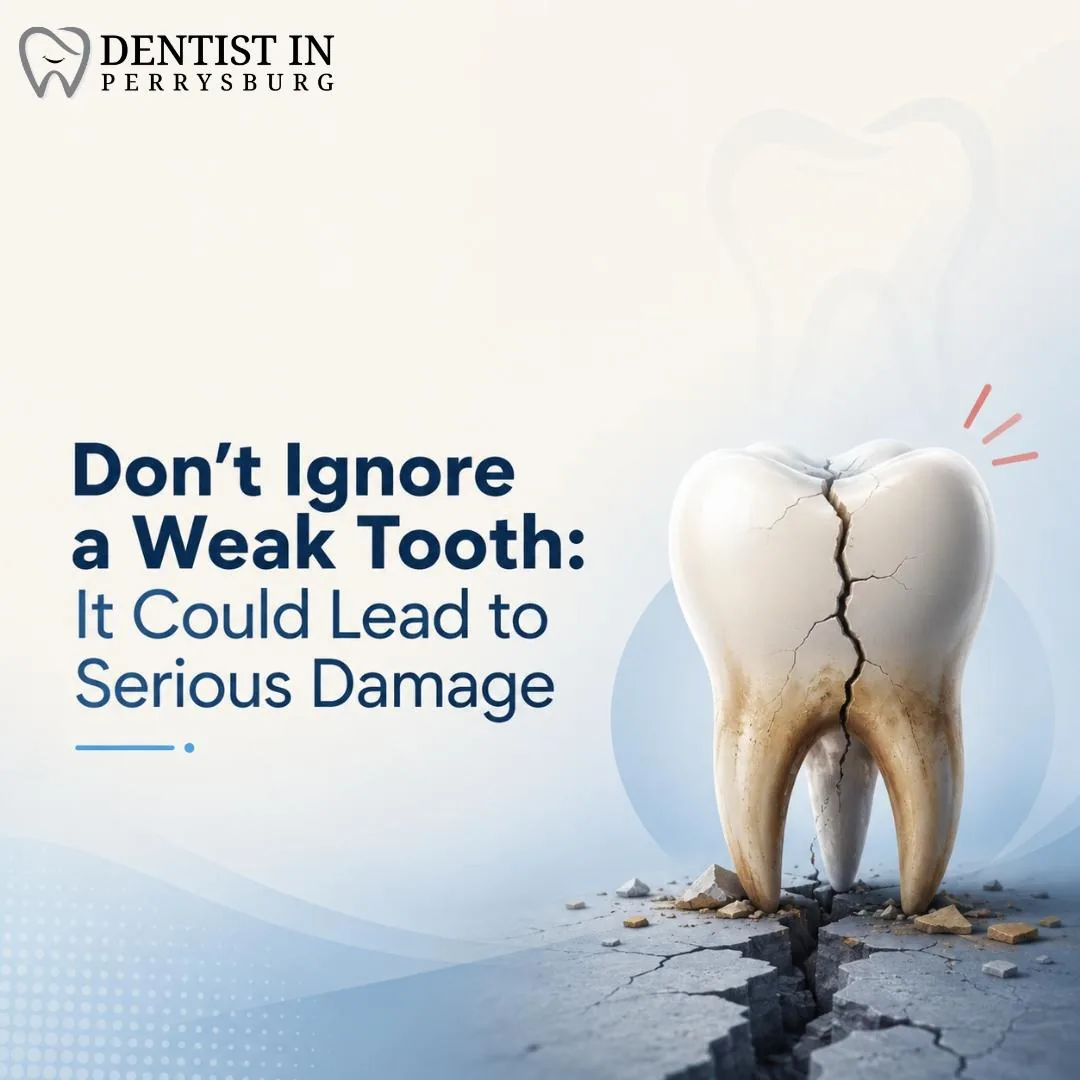
Many people feel a twinge in a tooth and ignore it. A weak tooth can start as a small ache or a tiny chip. Poor oral hygiene, plaque, or enamel erosion often cause this. This puts dental health at risk, from tooth decay to gum disease.
Ignoring a cavity can let infection spread and cause bone loss or tooth loss. Here you will know the causes, warning signs, at-home care, preventive care, dental checkup needs, restoration options, and when a tooth extraction is needed.
A weak tooth can cause significant dental issues if ignored. Fractures, decay, and infections often develop without proper care, leading to much more serious problems down the line.
Poor oral hygiene often causes weak teeth. Plaque buildup, dietary choices, and insufficient dental care lead to cavities. A weak tooth may show warning signs like sensitivity or pain when chewing.
Chipped teeth can seem small but may result in infection if neglected. Weak enamel also contributes to decay despite its hard appearance. Ignoring these signs can invite serious issues such as tooth decay, gum disease, or even tooth loss. A dentist should evaluate any noticeable problems early on to prevent complications and maintain dental health.
Ignoring a weak tooth can lead to serious dental issues. Cavities often arise from plaque buildup and poor oral hygiene habits. If left untreated, they progress into decay that can cause severe pain and even infection.
Weak enamel may appear strong but can break down over time, leading to more complex problems. Chipped teeth seem minor but may result in infections or fractures if not addressed.
Severely damaged teeth create risks beyond discomfort; they allow bacteria to spread, potentially causing systemic health issues. Neglecting these dental concerns only compounds the damage and increases the likelihood of tooth loss.
Dental trauma requires prompt attention, as untreated injuries can worsen with time and disrupt overall dental health significantly. Seeking regular dental checkups is essential for preventing these complications before they escalate into major problems like gum disease or bone loss.
To strengthen weak teeth, individuals should maintain good oral hygiene and make healthy dietary choices. They can also consult a dentist for treatments like fluoride applications or dental crowns to provide added support.
Good dental hygiene helps protect weak teeth. Regularly brushing and flossing removes plaque buildup. This action can prevent tooth decay and gum disease, which often result from poor oral health habits. Using fluoride toothpaste strengthens enamel and keeps it hard despite its susceptibility to erosion.
Eating a balanced diet also plays a key role in dental health. Reducing sugary snacks and drinks lowers the risk of cavities. Drinking plenty of water aids in washing away food particles, further supporting oral hygiene.
Routine dental checkups are vital for catching early signs of weakness in teeth before they lead to serious issues like broken teeth or infection.
At-home care is vital, but professional dental treatments are essential for serious issues. Weak teeth require expert attention to prevent complications. A dentist can identify problems before they worsen.
Ignoring tooth decay or a weak tooth may lead to pain or infection. Cavities do not resolve on their own and can result in severe damage if left untreated.
Individuals should schedule visits when they experience discomfort or notice changes in their oral health. Chipped teeth might appear minor, yet they can cause significant problems later.
Those with symptoms of gum disease or tooth sensitivity must seek immediate help too. Trusted dentists play a key role in assessing potential issues, even the ones that seem insignificant at first glance; timely intervention avoids more complex procedures down the road like tooth restoration or surgery for infections and other dental trauma.
A weak tooth can lead to tooth decay, infection, bone loss, or a broken tooth. It can harm your dental health. It can follow dental trauma if you delay care.
Look for pain, loose teeth, visible cavities, enamel erosion, or tooth erosion. Check for gum infection, bleeding, or swelling. These signs can point to gum disease or tooth infection.
Dentists may fix it with tooth restoration. They may do a root canal for a tooth infection. They may remove the tooth if a broken tooth or dental trauma is severe.
Yes. Poor oral hygiene leads to tooth decay and cavities. It can cause gum disease and gum infection. This can start bone loss and worsen dental health.
Keep good oral hygiene and visit your dentist. Treat cavities and tooth decay early. Protect your teeth from dental trauma. Do not ignore signs of infection or enamel erosion. Regular care helps with tooth restoration and stops bone loss.
Tell us a little about what you need — we'll be in touch shortly.
110 E South Boundary St, Perrysburg, OH 43551, United States
Hi! I'm Tooth fairy! Your AI Assistant Ask me anything