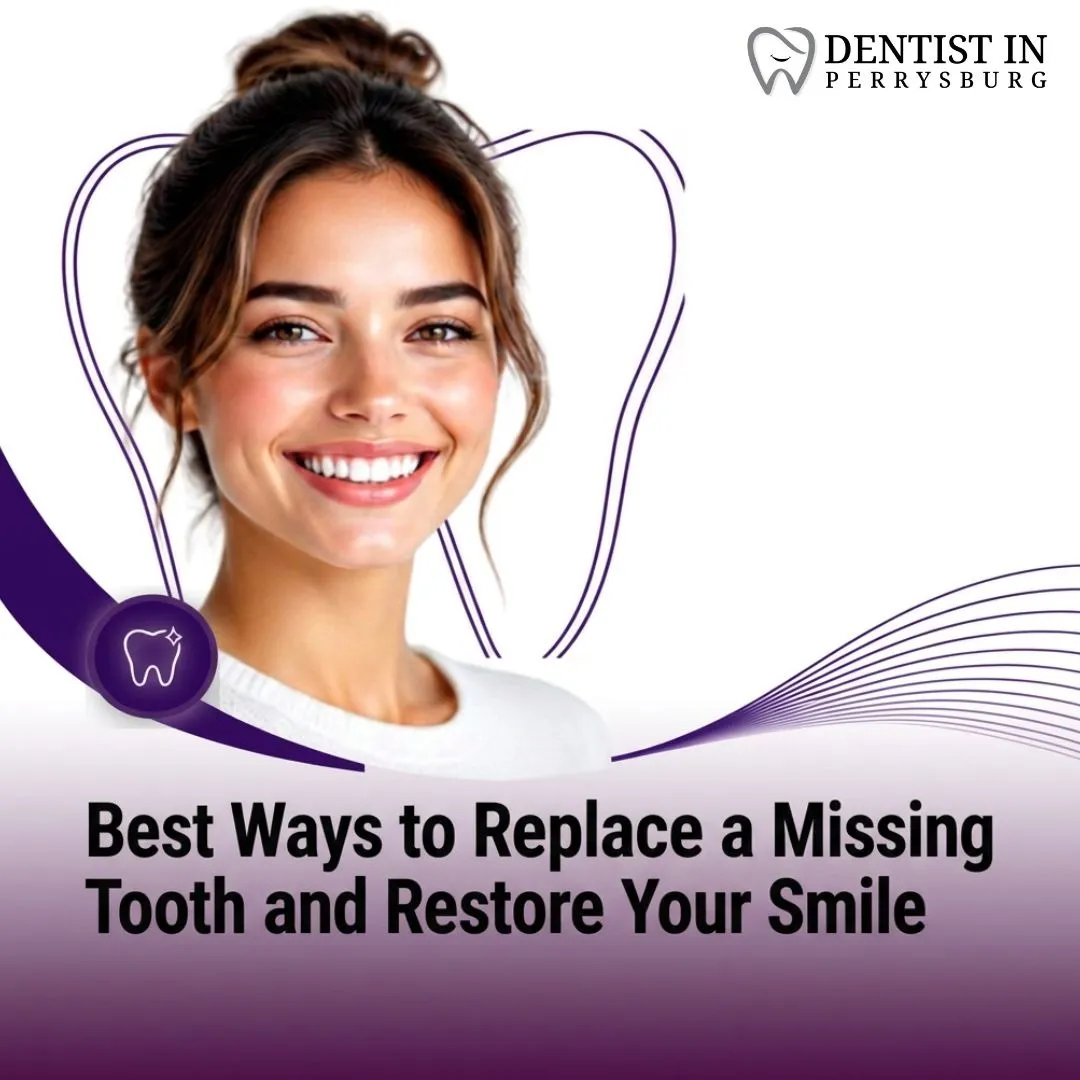
Many people lose a tooth from injury, decay, or extraction. A missing tooth can make eating hard, change speech, and lower confidence. It can also let neighboring teeth drift into the gap, which affects your bite over time. The good news: modern dentistry offers several proven ways to fill that space — from permanent dental implants to economical removable dentures.
Each replacement option offers unique benefits tailored to different needs. Here's how the main choices compare.
Dental implants are the most permanent solution for replacing missing teeth. An implant is a screw-shaped metal post surgically placed into the jawbone, where it fuses with the bone and supports an artificial tooth — a crown, bridge, or implant-retained denture.
Implants are the standard in modern dentistry because they restore both function and aesthetics: patients speak clearly and eat comfortably again after tooth loss. The average cost of a dental implant is about $2,500, with prices starting around $1,450 depending on your individual needs.
A fixed bridge uses crowns placed on the teeth adjacent to the gap to support an artificial tooth in between. Bridges restore normal speech and chewing, blend seamlessly with natural teeth, and prevent the crooked shifting that develops when a gap is left empty — all without implant surgery.
Partial dentures replace several missing teeth, while complete dentures fit over the entire arch when all teeth are absent. Dentures are the most economical option — cost varies with materials but usually stays well below implants — and they restore both function and appearance so daily eating and speaking feel normal again.
A resin-retained bridge (sometimes called a Maryland bridge) bonds metal wings to the backs of the adjacent teeth, supporting the replacement tooth without crowning those teeth. It's a less invasive, affordable choice that works best for front teeth, where biting forces are lighter and aesthetics matter most.
Healthy gums and a strong jawbone are what let an implant anchor securely — if bone has receded, a bridge or partial denture may be the more sensible starting point. Good oral health matters for every option: without it, complications can arise with any prosthetic.
Implants cost more up front but are the longest-lasting investment. Bridges and partial dentures cost less and avoid surgery. Think about how each option fits your daily routine, your aesthetic goals, and your financial plans — and ask about financing if cost is the main barrier.
Your dentist will assess your dental health and bone condition, walk through the trade-offs, and build a treatment plan tailored to your situation. Our team at Dentist in Perrysburg helps patients compare implants, bridges, and dentures every day and will recommend the option that truly fits.
Ready to reclaim your smile? Call (419) 792-1264 to schedule a tooth-replacement consultation at our restorative dentistry practice in Perrysburg, OH. For more on this topic, see the American Dental Association.
The main options are dental implants, fixed bridges, resin-retained bridges, and removable partial or complete dentures. Implants are the most permanent; bridges and dentures are effective, more economical alternatives.
A dental implant is a screw-shaped metal post placed into the jawbone. Once it heals, it supports a crown, bridge, or denture — giving you a long-term prosthetic that looks and works like a natural tooth.
Yes. Partial dentures replace several missing teeth and complete dentures replace a full arch. They're the most economical option and restore both function and appearance.
A fixed bridge anchors crowns on the teeth on either side of the gap to hold an artificial tooth in between. It restores chewing and speech and keeps neighboring teeth from shifting.
Dental implants average about $2,500, with prices starting around $1,450 depending on your needs. Bridges and partial dentures generally cost less; we can review financing options at your consultation.
Clean implants, bridges, or dentures daily as directed, keep up regular brushing and flossing, and visit your dentist for routine checks — good home care keeps any restoration lasting longer.
Tell us a little about what you need — we'll be in touch shortly.
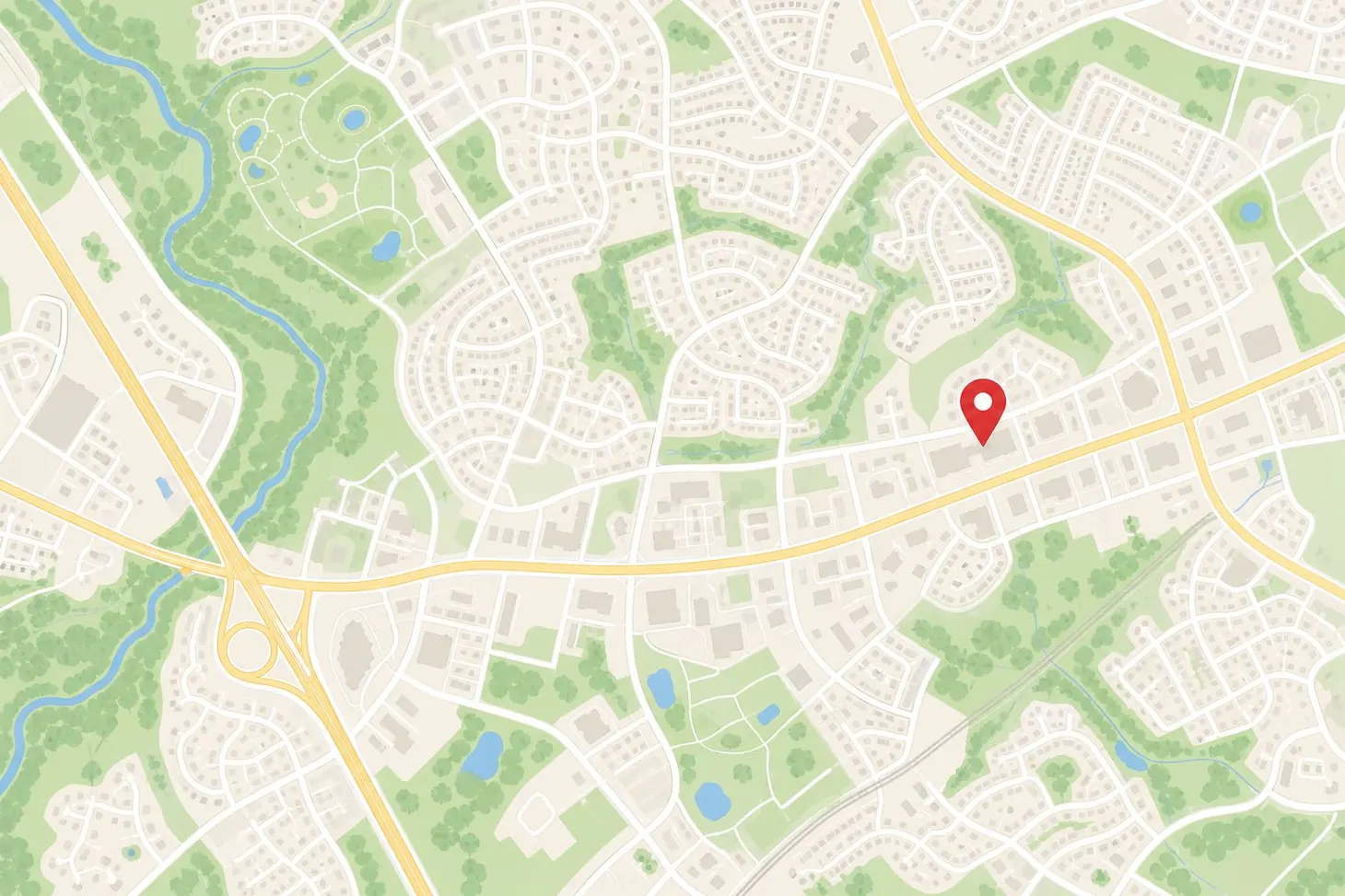
110 E South Boundary St, Perrysburg, OH 43551, United States
Hi! I'm Tooth fairy! Your AI Assistant Ask me anything